
Ortho-K for Myopia Management
Orthokeratology (ortho-k) is an effective, non-surgical method to slow myopia progression in children by temporarily reshaping the cornea and inducing peripheral myopic defocus.
Myopia, or nearsightedness, occurs when the eyeball elongates excessively, causing distant objects to appear blurry. Its progression is influenced by genetic and environmental factors, including prolonged near work and insufficient outdoor exposure. Bright outdoor light stimulates retinal dopamine release, which acts as a natural signal to slow eye growth, making outdoor activity a key preventive measure for children.
How Orthokeratology Works
Orthokeratology involves rigid gas-permeable contact lenses that are custom-made for your child’s cornea to be worn overnight that temporarily reshape the cornea. This reshaping corrects vision for daytime clarity without glasses and creates peripheral myopic defocus, which signals the eye to slow axial elongation. By altering how light focuses across the retina, ortho-k addresses the underlying mechanism of myopia progression rather than just correcting refractive error.
Efficacy of Orthokeratology
Clinical studies and meta-analyses indicate that ortho-k can reduce axial elongation by approximately 0.25 mm over two years compared to single-vision spectacles or regular contact lenses. A study comparing ortho-k with peripheral defocus spectacle lenses found that ortho-k induced stronger myopic defocus across the retina, although axial elongation was slightly greater in the ortho-k group over six months, highlighting the importance of individualized treatment planning. Factors such as age, baseline refractive error, and ethnicity may influence treatment outcomes, with younger children often showing greater benefit. Orthok is considered safe for children as young as six years old. Common adverse events include mild irritation, and lens discomfort, while serious complications like microbial keratitis are rare but possible with any contacts lens wearer. Proper lens hygiene, regular follow-ups, and adherence to wearing schedules are essential to minimize risks.
Comparison with Other Myopia Control Methods
Peripheral defocus spectacle lenses (Stellest): These glasses shift light on the peripheral retina to slow eye growth. Some studies suggest they may be slightly less effective at myopia control than ortho-k, but they might be easier for younger kids or those that do not like wearing Ortho-K lenses.
Lifestyle interventions: Increasing outdoor time (1–2 hours daily) and managing near work are effective complementary strategies.
Choosing between ortho-k and other myopia control strategies depends on child’s age, lifestyle, prescription, and tolerance for contact lenses. Eye care providers can tailor interventions based on retinal defocus patterns, axial length measurements, and risk factors for progression that are unique to your child to optimize outcomes.
Orthokeratology is a well-supported, effective method for slowing myopia progression in children, particularly when combined with outdoor activity and careful monitoring.
Quick Links
Helpful Articles
article_category: products
article_category: psychiatry
article_category: faqs
article_category: cats
article_category: general
article_category: services
article_category: technology
article_category: dogs
article_category: restorative
article_category: vision therapy
article_category: contact lenses
article_category: health
article_category: conditions
article_category: eye surgery co-management
article_category: exotic
article_category: cosmetic
article_category: surgical procedures
article_category: aesthetics
article_category: preventative
article_category: ocular disease management
article_category: eyeglasses
article_category: eye health
article_category: large animal
[]
article_category: psychiatry
article_category: faqs
article_category: cats
article_category: general
article_category: services
article_category: technology
article_category: dogs
article_category: restorative
article_category: vision therapy
article_category: contact lenses
article_category: health
article_category: conditions
article_category: eye surgery co-management
article_category: exotic
article_category: cosmetic
article_category: surgical procedures
article_category: aesthetics
article_category: preventative
article_category: ocular disease management
article_category: eyeglasses
article_category: eye health
article_category: large animal
[]
Flowbite is an open-source library of interactive components built on top of Tailwind CSS including buttons, dropdowns, modals, navbars, and more.
Check out this guide to learn how to get started and start developing websites even faster with components on top of Tailwind CSS.
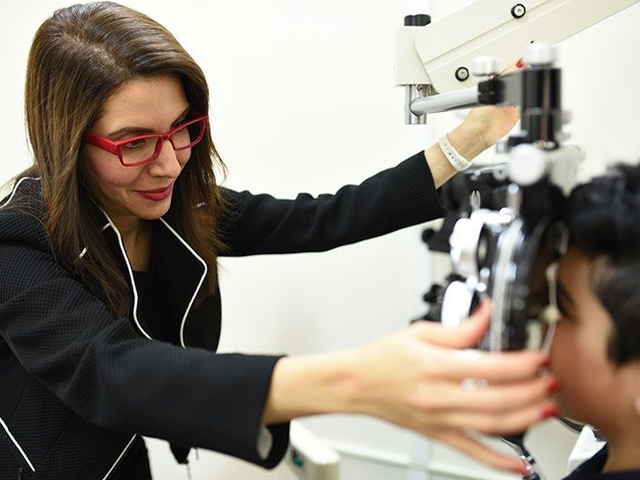
All Eye Care Services
Find personalized eye care excellence with our comprehensive services. From eye exams to advanced diagnostics, trust us for all your vision needs.
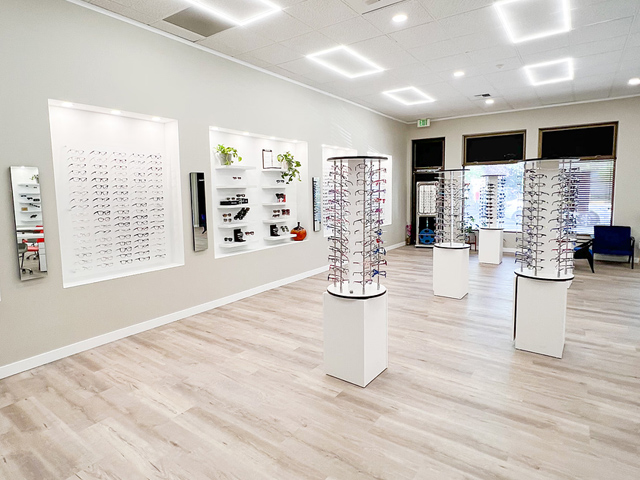
Keep In Touch
For non-urgent questions or to learn more about our services, contact us today!
Quick Links
Our Services
Contact Info
Hours of Operation
- Monday 10:00am - 6:00pm
- Tuesday 10:00am - 6:00pm
- Wednesday 10:00am - 6:00pm
- Thursday 10:00am - 6:00pm
- Friday 10:00am - 6:00pm
- Saturday 10:30am - 4:30pm
- Sunday Closed
- Monday
- Tuesday
- Wednesday
- Thursday
- Friday
- Saturday
- Sunday
- Monday
- Tuesday
- Wednesday
- Thursday
- Friday
- Saturday
- Sunday
© 2026 Ocean Eyecare. All rights Reserved -
Accessibility Statement
-
Privacy Policy
-
Sitemap
Managed and Designed by 